Make It Work!
Imagine you’re going on an adventure. A little out of state excursion, where nature abounds and state parks are plentiful. You have a couple full days allocated to grabbing your QRP rig, throwing a wire in a tree, and activating POTA parks to your heart’s content.
Sheer radio bliss.
You get to your first park, open your gear cases, and — much to your horror — realize that your wire antennas and ununs/baluns are in a bag you left on the bench at home. Your POTA dreams are over before they started.
Or are they?
This is where the trial and error experimentation aspect of the radio hobby really comes into play.
What I did have at my disposal was about 40 feet of 18 gauge speaker wire and a 4 foot section of 50 ohm coax with PL-259 connectors on each end.
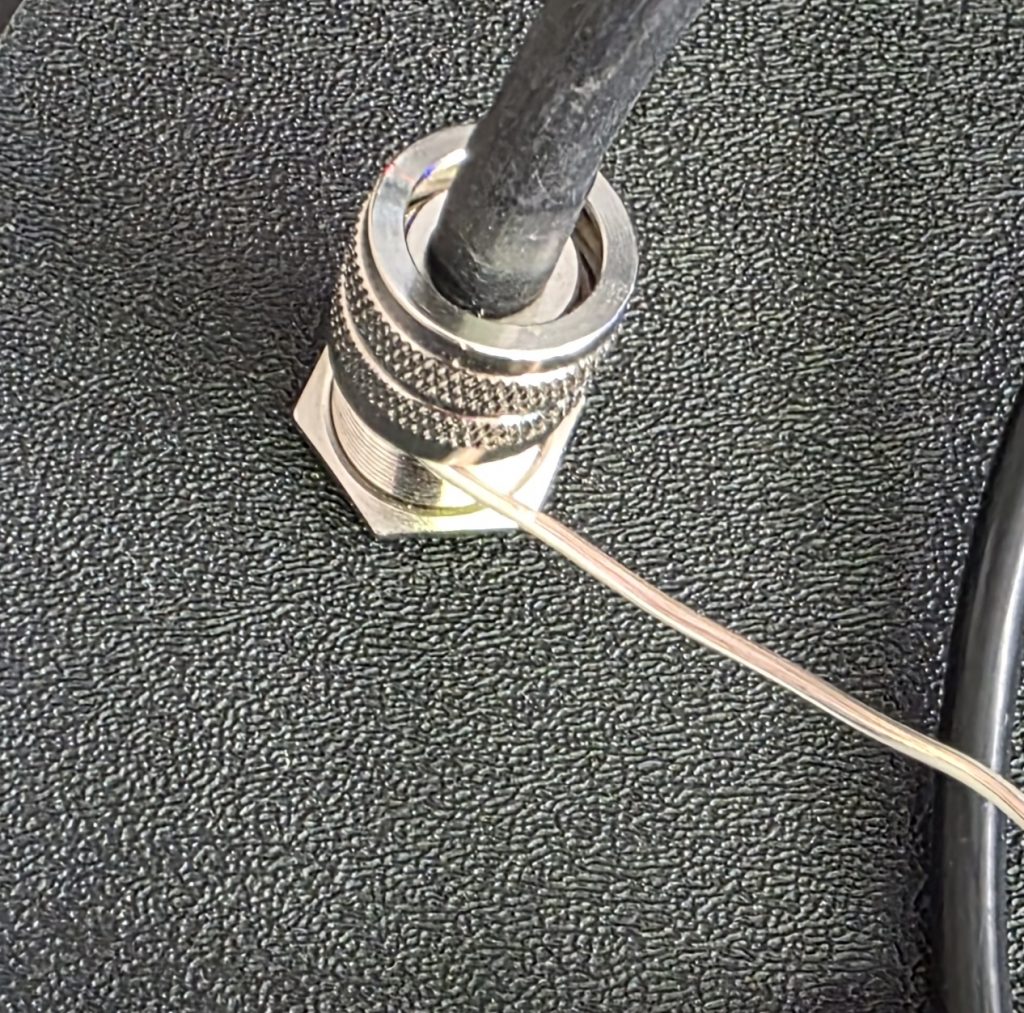
One end of the speaker wire got shoved in the center pin hole of the SO-239 socket, careful to make sure the shielding covered the ground connector on the socket. Then the coax plug went in, holding the speaker wire in place, with the ground connector on the plug making as much contact as I could muster.
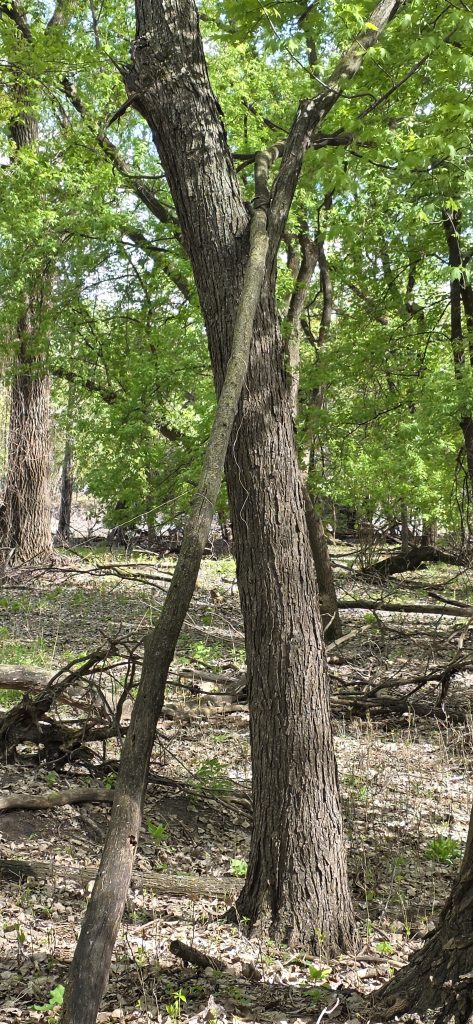
The other end of the coax ground ran to a grounded bolt on the car body, and the speaker wire got stretched out to a tree where I folded it back to as close to 33 feet as I could guess… And that reached a whopping 8 feet in the air at its absolute highest point.
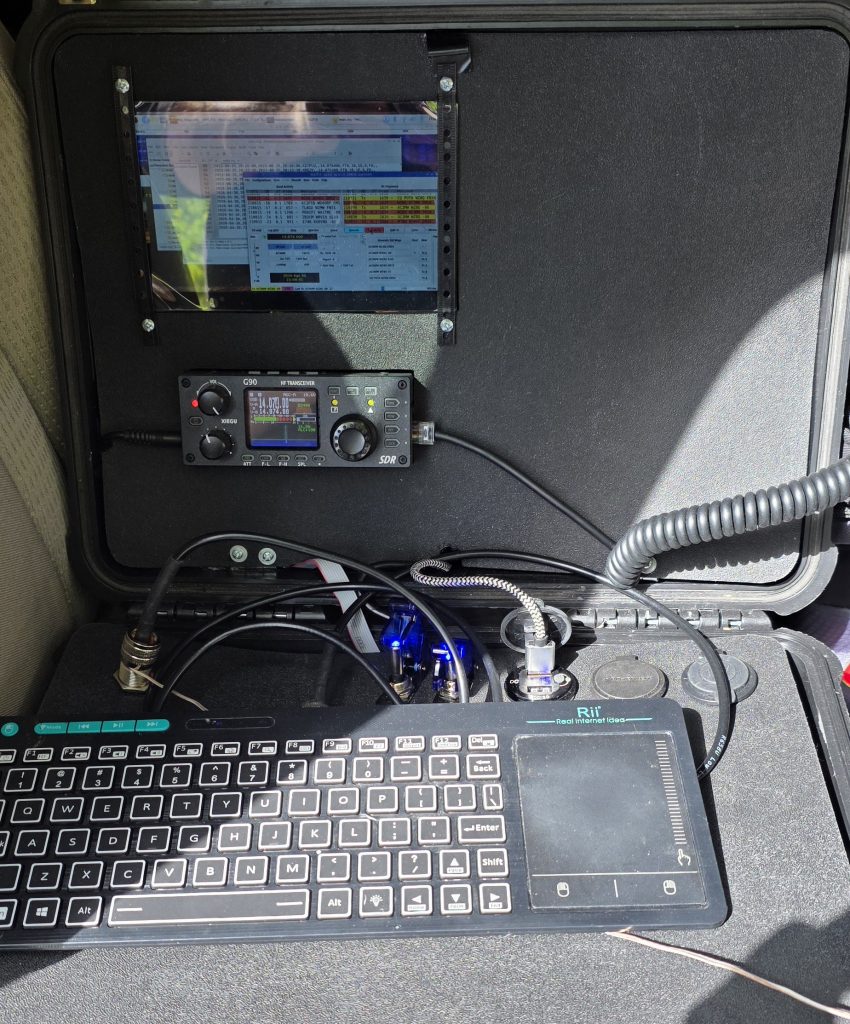
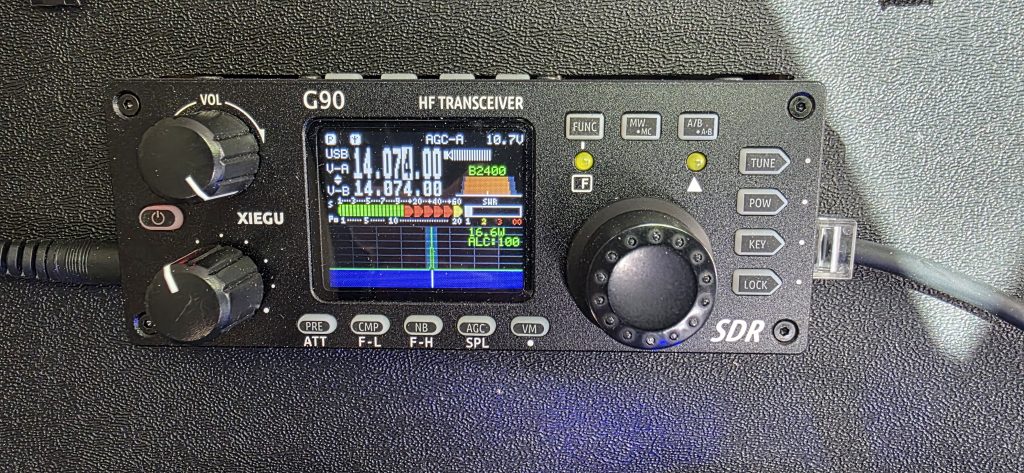
The real star of this setup is the Xiegu G-90 transceiver. This radio will tune a vertical. It will tune a dipole. Heck, it’ll even tuna fish!
This setup tuned up to about 1.35:1, and dropped my 20 watts max down to about 16 watts going out the wire.
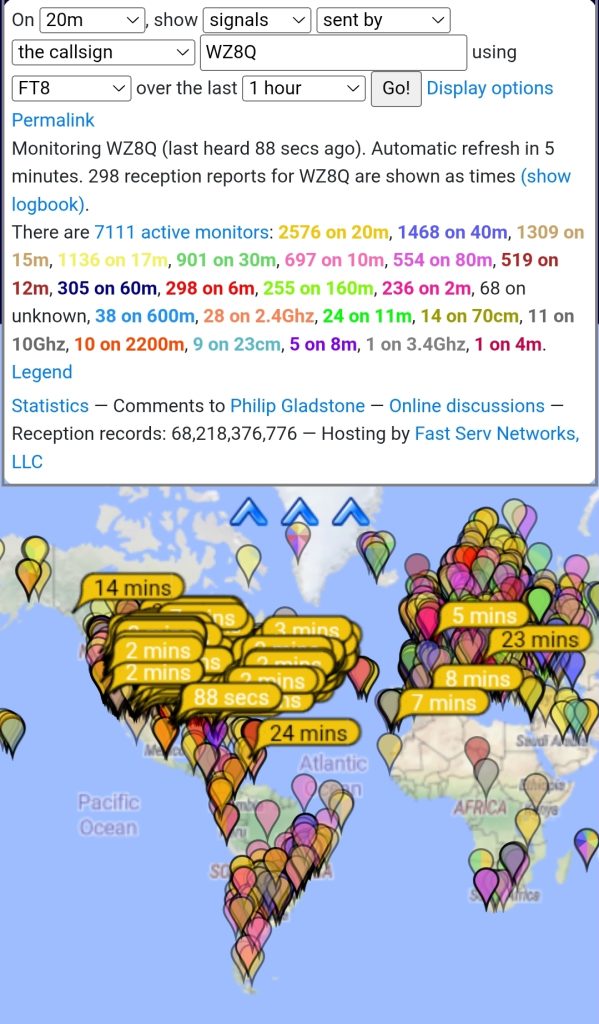
Voice modes were absolutely not going to happen with this rigging unless anyone was nearby to do some NVIS work, but I didn’t have the time to really invest in that today. The only real option was FT8 — and these situations are exactly what low signal strength digital modes were created for.
The result? 15 contacts in about a 30 minute window. Enough to activate a park!
If I have enough time tomorrow, I’ll hop on the local repeater network and see if anyone wants to try some NVIS phone on 20 meters… Or maybe I’ll see if I can cram enough Morse code refresher to operate CW… Or, better yet, maybe there’s someone in the area that can rustle up a spare 49:1 for me to buy.
The point, though, is that even with far less than ideal circumstances and gear, there’s always a way to enjoy a day playing radio.
Here are a few photos of what I managed to cobble together.